A child-centric approach in early childhood education places the unique needs, interests, learning styles, and natural curiosity of each child at the center of the learning environment. Instead of forcing children into a rigid, one-size-fits-all curriculum, this methodology tailors activities to fit the child’s developmental pace.
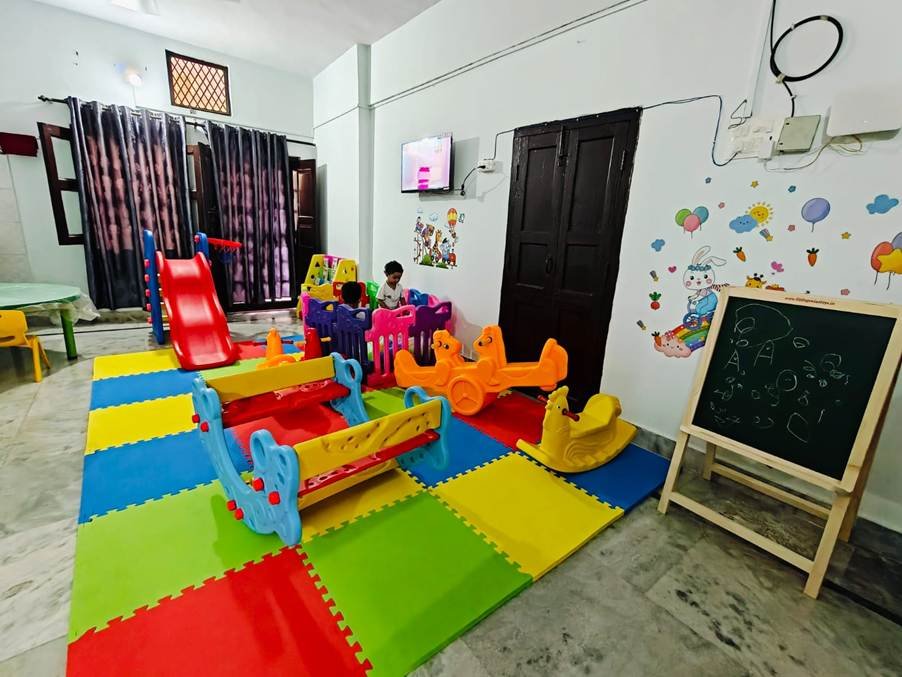
Teachers act as facilitators and guides rather than traditional lecturers. Children are encouraged to choose activities, explore concepts through hands-on experiences, ask questions, and solve problems independently. This approach fosters genuine enthusiasm for learning, builds self-confidence, and supports holistic growth—spanning cognitive, emotional, social, and physical development.
How does a child-centric approach differ from traditional teaching?
Traditional teaching is teacher-led and focuses on uniform instruction, rote learning, and strict schedules. In contrast, a child-centric approach is student-led, focusing on hands-on discovery, personalized learning speeds, and active student participation.
What role does the teacher play in a child-centric classroom?
Rather than standing at the front of the class delivering lectures, the teacher observes each child’s individual interests and abilities, prepares a stimulating environment, and guides children as they explore and learn at their own pace.
How does a child-centric approach benefit young learners?
It helps children build independence, critical thinking skills, and strong self-confidence. By giving them choices and respecting their natural curiosity, children develop a genuine, lifelong love for learning.