Holistic development focuses on nurturing every aspect of a child’s overall growth—intellectual, physical, emotional, and social—rather than focusing strictly on academic memorization. Early childhood is a critical stage where a child’s brain and body develop simultaneously.
A holistic curriculum integrates creative arts, physical activities, emotional regulation, and social interactions alongside foundational academics like reading and math. By addressing the whole child, this approach ensures that children grow into balanced, resilient, and well-rounded individuals equipped with both cognitive abilities and essential life skills.
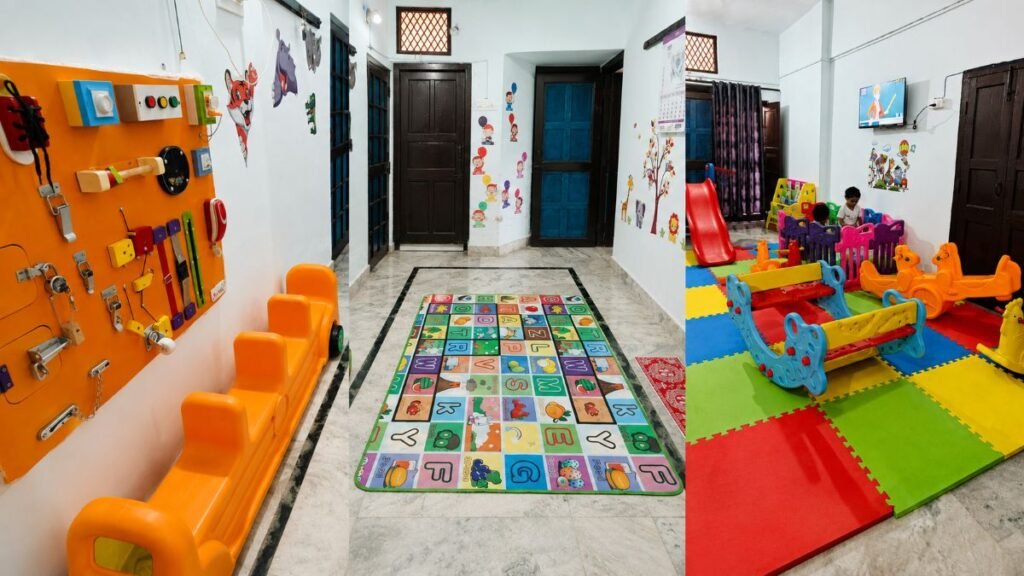
What are the main pillars of holistic development in early education?
The primary pillars include cognitive development (thinking and problem-solving), physical growth (fine and gross motor skills), social-emotional learning (empathy, sharing, and confidence), and creative expression (art, music, and imagination).
How does holistic learning prepare children for future academic success?
By fostering curiosity, emotional resilience, self-regulation, and teamwork alongside traditional learning, children become adaptable and confident learners who can easily handle higher-grade challenges.
How is holistic development implemented in daily classroom activities?
It is implemented through a blend of structured play, outdoor physical activities, storytelling, artistic projects, sensory exercises, and collaborative group tasks rather than continuous desk-based instruction.
Conclusion
Social & Emotional Wellbeing
Early childhood is the foundational period for emotional intelligence and social adaptiveness. We emphasize creating a warm environment where children learn to identify their feelings, practice self-regulation, and build strong interpersonal skills. Through cooperative play and gentle guidance, children learn essential values like empathy, patience, active listening, and sharing, helping them form healthy relationships with peers and adults alike.
Practical Life Skills & Independence
Developing practical life skills empowers children to navigate daily routines with self-reliance and confidence. Activities such as pouring water, organizing learning tools, buttoning clothes, and tidying up play areas are thoughtfully integrated into their daily routine. These tasks enhance hand-eye coordination and fine motor control while building a sense of personal responsibility and pride in their independence.